
GR ranges
30 to 60-inch gas ranges with dual-stacked burners and infrared griddle options.
Wolf service · Poway
Same-day Wolf range repair in Poway, Mon–Sat 7 AM–6 PM. $99 service call, credited to the repair. 3-month labor / 1-year parts warranty. Licensed (A51423) and insured up to $1M. Family-owned and run by Viktor, owner and lead technician. Rated 5.0★ from 490 Google reviews. Call (619) 877-6701.
$99 service call, credited · Same-day service Mon–Sat · Approval before work · License A51423 · EPA-certified technicians · Insured up to $1M
The diagnostic fee is non-refundable and credited toward the total repair cost when you proceed.
Commercial service visits are priced separately at $150.
Wolf ranges
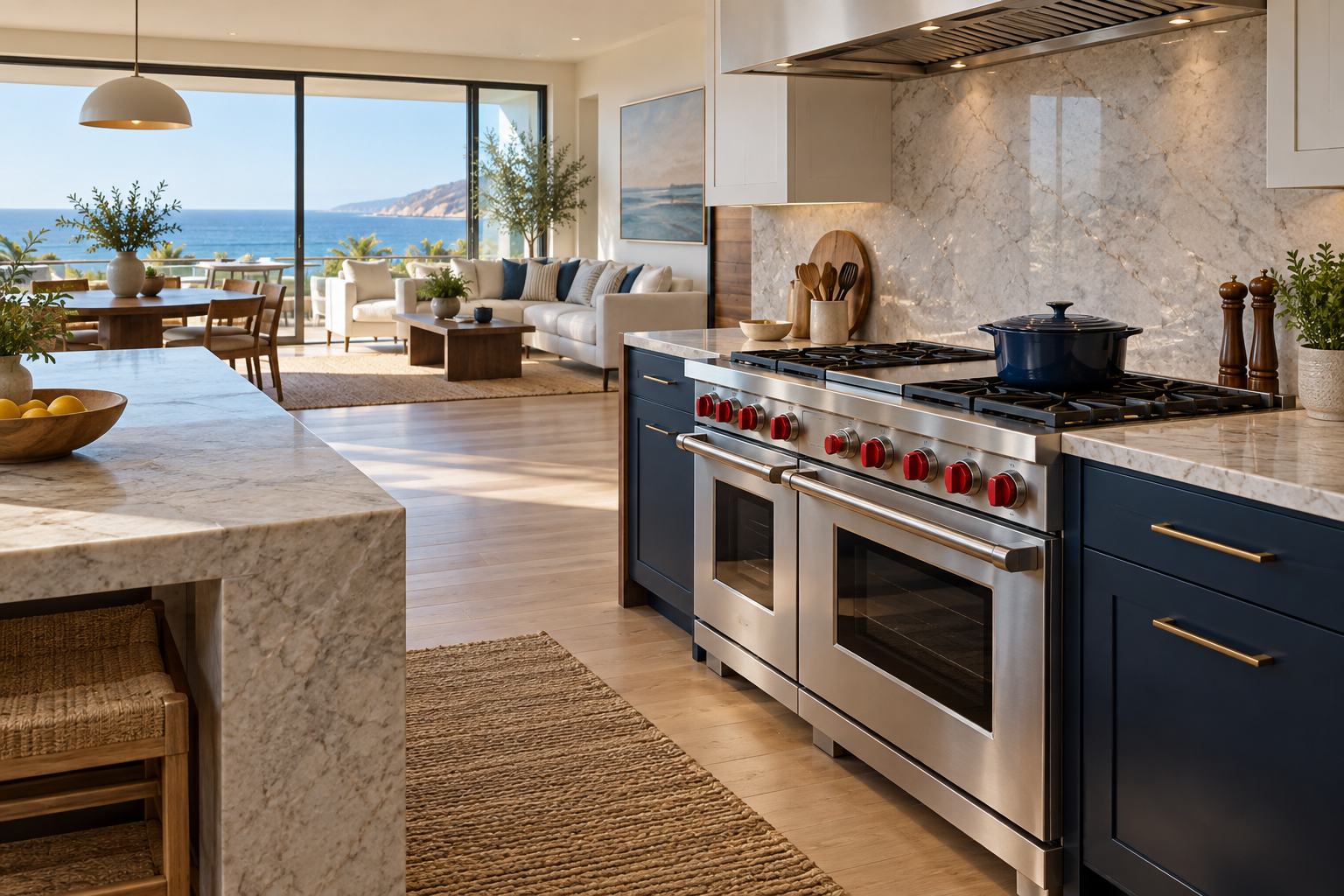
Wolf ranges split by fuel and by dialect: all-gas GR ranges are mechanical machines with no fault codes, while dual-fuel DF ranges log real errors - from the legacy numeric codes to the current platform's 3C20 high-voltage fault - each with its own official Wolf support page. The split decides everything about the visit.
A photo of the model label and the complete installation helps the team understand the configuration before the visit.
30 to 60-inch gas ranges with dual-stacked burners and infrared griddle options.
DF3050 through DF6050 ranges with dual VertiCross electric ovens - the coded platform.
DF304 through DF486 - the generation with documented numeric error codes.
Induction-top ranges pairing the electric oven with a coded glass top.
Start with the symptom
A symptom narrows the inspection; it does not identify the failed component. The $99 visit confirms the actual fault on the exact model before any repair is authorized.
Gas: igniter and thermostat. Dual-fuel: sensor and control - both measurable.
Spark reignition, cap seating and electrodes - after the moisture check.
Dual-fuel latch territory - never forced, routinely repaired.
The griddle's igniter and burner have their own service points.
Fans, element condition and door seal - tested in order.
Dual-stacked burners are built for true simmer - a harsh simmer is a valve story.
Series and model numbers
GR or DF is the fork: all-gas ranges are diagnosed at the flame, dual-fuel ranges are read from the display - and Wolf documents the DF codes on official per-code pages.
Model label
The rating plate sits behind the oven door on the cell frame on most models; some carry it under the burner tray or behind the kick panel. Photograph model and serial together. Photograph the complete label — the full model and serial identify parts and production year better than the series name alone.
Indicators and alerts
For any message not shown, use the manual for the exact model rather than a generic list.
Wolf diagnostics
Every DF code above has an official Wolf support page; where Wolf publishes the page but not the internal meaning, that is said plainly and the decode happens against service data on-site. GR gas ranges have no codes, and invented tables for them are excluded.
Preventive service and owner care
Alpha Pro provides preventive and general maintenance for Wolf ranges. The appliance design determines which procedures are accessible and appropriate.
Owner maintenance
Professional maintenance
A professional visit can evaluate accessible systems without assuming every procedure applies to every model.
Diagnosis before parts
Call or book with the model label, exact behavior, any displayed codes, photos, and access notes.
The technician examines the reported condition in context: ignition, flame quality, temperatures, elements, controls, door fit, and relevant components.
Findings and proposed work are explained before repair proceeds. The residential diagnostic is credited toward an approved repair.
Service area and operating context
Poway sits in the hills off I-15 - ranch properties of Old Poway, gated Green Valley, newer streets off Espola Road. Garage refrigerators fight summer heat, canyon dust clogs condensers, and hard water leaves scale in ice makers and washer valves.
Inland heat and hard water set the pattern here: garage refrigerators work hardest in summer, dust clogs condensers, and scale builds in ice makers, dishwashers and washer valves.
During maintenance, accessible metal surfaces can be inspected for corrosion, moisture exposure, or conditions that may warrant attention. Location alone does not establish the cause of a failure.
A better repair decision
There is no honest universal age or price threshold. Start with the exact model and a diagnosis.
Local notes · Poway
Poway calls itself the City in the Country, and a Wolf range here deals with things a beach kitchen never sees. Horse trails, arenas and dirt roads send fine dust through open doors. Santa Ana winds blow dry and gusty from fall into spring. Fire seasons have brought ash, including the Cedar and Witch Creek fires that forced evacuations in parts of the city. Those particles end up in burner ports. We repair Wolf ranges in Green Valley, Old Coach Estates, Rancho Arbolitos, The Grove and the rest of Poway.
A Wolf dual-stacked burner has two rings of small ports: an upper tier for high output and a lower tier for simmer. The lower ports are tiny, and they are the first to clog. In Poway, the usual culprit is fine dust. The city has more than 78 miles of trails where horses have priority, plus barns, arenas and unpaved roads, and that grit settles on every surface in the house, cooktop included. After a wildfire, ash does the same. Partly blocked ports make the flame uneven, and a lower tier that cannot hold a steady ring goes out and re-sparks. Wind matters too. During Santa Ana days, strong air movement through open doors or a hood set on high can pull a low flame away from its electrode. Then there is volume. Poway homes average 2.9 people, and nearly half have four or more bedrooms, so the range may cook three meals a day. Most houses were built from 1970 to 1999, and kitchens remodeled in that era may still carry their original range, now old enough that switches, valves and hinges wear out.
Symptom: The burner clicks and only part of the ring lights, or nothing lights at all. Cause: Dust, ash or food debris packed into the burner ports, or a cap that shifted during cleaning. Fix: Clear each port with a toothpick, seat the cap, and let it dry. If the flame is still ragged, we check gas pressure and the electrode.
Symptom: Simmer flickers and dies, then the igniter starts clicking to relight it. Cause: Drafts or heavy hood draw at a very low flame, dirty lower-tier ports, or a valve low setting that was never adjusted after a gas conversion. Fix: We clean the simmer ports, confirm orifices and low-flame setting, and replace a worn valve.
Symptom: The oven sparks several times or locks out when convection is switched on at the start. Cause: On GR models, the fan can lift the flame off the sensing electrode during preheat. A worn electrode or DSI board makes it worse. Fix: Preheat with the fan off. If lockouts continue, we test and replace the electrode, board or valve.
Symptom: The door drops when opened or leaves a gap at one corner. Cause: Hinge springs worn from years of family use and heavy roasting pans resting on the open door. Fix: We replace hinges in pairs and check the door gasket for tears.
The fix for dust is frequency. Pull the caps and brush out burner ports more often than a coastal owner would, and always after a smoke or ash event. Wash grates and caps in hot water with mild detergent, then dry them completely. On Santa Ana days, keep outside doors closed while cooking on low, and lower the hood speed for simmering. Replace or wash hood filters on the same schedule, since a clogged hood pulls unevenly. Check the oven door gasket for fraying whenever you clean the oven.
Poway homes are mostly single-family houses with driveways, so parking is simple. Some properties sit on long private drives or horse properties with gates, so share access details and let us know if animals will be loose. We will need room to pull the range out. Before the visit, note the model and serial number, which burners or modes are affected, and whether the problem gets worse on windy or dusty days. Photos of the flame help. If you ever smell gas, leave the home and call SDG&E first.
Age alone is not a reason to replace a Wolf. Valves, switches, electrodes, hinges and oven igniter parts are serviceable, and the steel construction is built for long service. Replacement comes up when the oven cavity is damaged or a discontinued control part cannot be sourced. We confirm parts availability before recommending either path, and the $99 diagnostic goes toward the repair.
Helpful answers
Clear preparation makes a service request easier to evaluate.
Yes - same-day windows are offered across San Diego County subject to the day's schedule. Availability is confirmed for the exact address when you book.
We take requests across Poway (ZIP 92064, 92074). Share gate codes, parking or building access when booking so the technician can plan the visit.
Yes. It is non-refundable and credited toward the total repair cost if you proceed. There are no residential exceptions.
A 90-day labor warranty and a 1-year parts warranty, both starting on the date the repair is completed.
No. A symptom narrows the search, but the diagnostic visit on the exact model confirms the actual fault before any repair is authorized.
Officially documented high input voltage - the range measured its supply above range. The hookup is measured first; a genuine supply fault belongs to an electrician, and we say so.
The oven igniter weakens with age and stops opening the gas valve - the classic repair, diagnosed by current draw on the first visit.
No - the numeric codes are documented service events, not verdicts. Each names a circuit, and the circuits are repairable.
Behind the oven door on the cell frame - or under the burner tray on some models.
Yes - with the correct Wolf kit and orifices, combustion verified after.
Let the cooktop cool, lift off the grate and cap, and clear each port with a wooden toothpick. Do not use metal pins, which can enlarge ports. Wash caps in warm soapy water, rinse, and dry fully before reassembly. Relight each burner to confirm an even flame.
Ash is fine and gritty, and it settles in burner ports, on electrodes and inside hood filters. It rarely damages parts right away, but it causes poor flames and ignition trouble. Clean the cooktop and hood filters after a smoke event and before regular cooking.
Probably not. Very low flames are sensitive to air movement, and strong hood draw can pull them off the electrode. Try a lower hood setting while simmering. If the flame goes out even with the hood off, the ports or valve need attention.
Yes. A conversion changes orifices and valve settings, and a mismatch shows up as oversized flames, sooty flames or a simmer that will not stay lit. We check that the orifices and low-flame settings match the fuel. If you smell gas, leave first and call your gas supplier or SDG&E.
Repair and preventive care
Schedule help for an active problem or arrange preventive maintenance for the appliance.
We are ready to help with your appliance repair needs.
Call Us
(619) 877-6701Visits by appointment
11364 Nawa Way,Business Hours
Email Us
Email us